ResearchGate
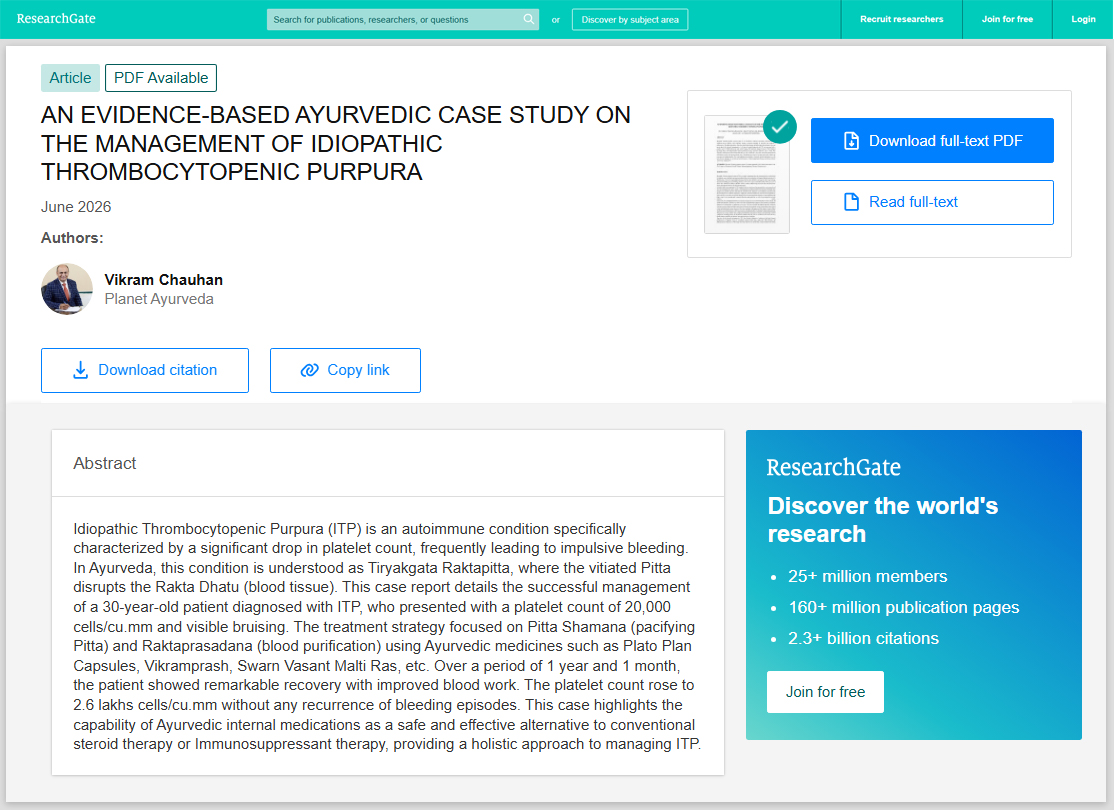
Idiopathic Thrombocytopenic Purpura (ITP) is an autoimmune condition specifically characterized by a significant drop in platelet count, frequently leading to impulsive bleeding. In Ayurveda, this condition is understood as Tiryakgata Raktapitta, where the vitiated Pitta disrupts the Rakta Dhatu (blood tissue). This case report details the successful management of a 30-year-old patient diagnosed with ITP, who presented with a platelet count of 20,000 cells/cu.mm and visible bruising. The treatment strategy focused on Pitta Shamana (pacifying Pitta) and Raktaprasadana (blood purification) using Ayurvedic medicines such as Plato Plan Capsules, Vikramprash, Swarn Vasant Malti Ras, etc. Over a period of 1 year and 1 month, the patient showed remarkable recovery with improved blood work. The platelet count rose to 2.6 lakhs cells/cu.mm without any recurrence of bleeding episodes. This case highlights the capability of Ayurvedic internal medications as a safe and effective alternative to conventional steroid therapy or Immunosuppressant therapy, providing a holistic approach to managing ITP.
Keywords: Idiopathic Thrombocytopenic Purpura, Tiryakgata Raktapitta, Pitta Dosha, Rakta Dhatu, Plato Plan Capsules, Vikramprash, Steroid Therapy, Immunosuppressant Therapy, Planet Ayurveda.
 View / Download PDF File
International Journal of Research in Ayurveda and Pharmacy
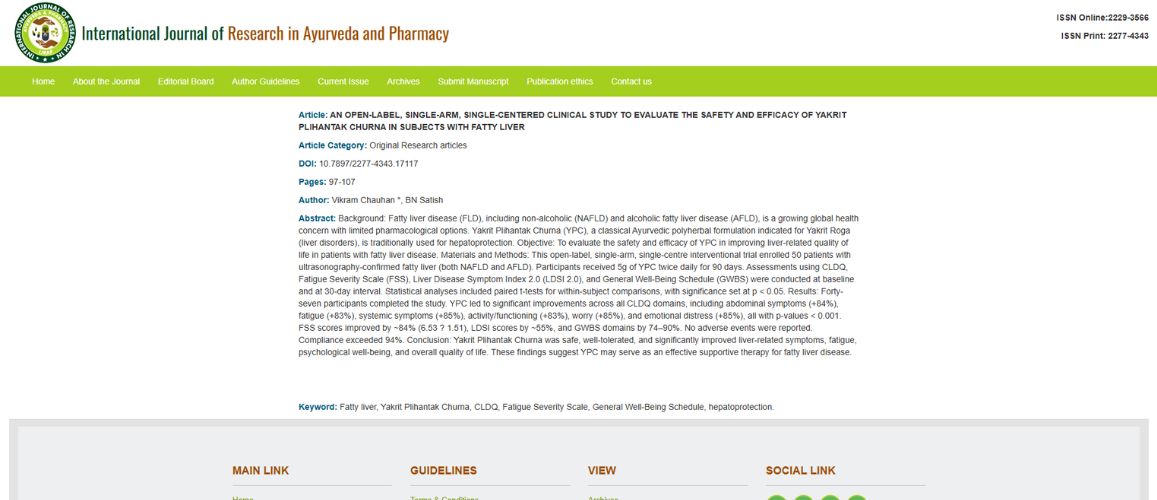
Fatty liver disease (FLD), including non-alcoholic (NAFLD) and alcoholic fatty liver disease (AFLD), is a growing global health concern with limited pharmacological options. Yakrit Plihantak Churna (YPC), a classical Ayurvedic polyherbal formulation indicated for Yakrit Roga (liver disorders), is traditionally used for hepatoprotection. Objective: To evaluate the safety and efficacy of YPC in improving liver-related quality of life in patients with fatty liver disease. Materials and Methods: This open-label, single-arm, single-centre interventional trial enrolled 50 patients with ultrasonography-confirmed fatty liver (both NAFLD and AFLD). Participants received 5g of YPC twice daily for 90 days. Assessments using CLDQ, Fatigue Severity Scale (FSS), Liver Disease Symptom Index 2.0 (LDSI 2.0), and General Well-Being Schedule (GWBS) were conducted at baseline and at 30-day interval. Statistical analyses included paired t-tests for within-subject comparisons, with significance set at p < 0.05. Results: Forty-seven participants completed the study. YPC led to significant improvements across all CLDQ domains, including abdominal symptoms (+84%), fatigue (+83%), systemic symptoms (+85%), activity/functioning (+83%), worry (+85%), and emotional distress (+85%), all with p-values < 0.001. FSS scores improved by ~84% (6.53 ? 1.51), LDSI scores by ~55%, and GWBS domains by 74–90%. No adverse events were reported. Compliance exceeded 94%. Conclusion: Yakrit Plihantak Churna was safe, well-tolerated, and significantly improved liver-related symptoms, fatigue, psychological well-being, and overall quality of life. These findings suggest YPC may serve as an effective supportive therapy for fatty liver disease.
Keywords: Fatty liver, Yakrit Plihantak Churna, CLDQ, Fatigue Severity Scale, General Well-Being Schedule, hepatoprotection.
International Journal of Research in Ayurveda and Pharmacy
Fatty liver disease (FLD), encompassing Alcoholic Fatty Liver Disease (AFLD) and Non-Alcoholic Fatty Liver Disease (NAFLD), has emerged as a major global health challenge. Despite its high prevalence and progression risk to cirrhosis or hepatocellular carcinoma, management continues to rely on lifestyle interventions, which are often difficult to sustain. Liver Detox Formula, a proprietary blend of hepatoprotective Ayurvedic herbs such as Katuki, Kalmegh, and Punarnava, has been traditionally used to support liver health. This clinical study aimed to systematically evaluate the safety, efficacy, and tolerability of Liver Detox Formula in patients with AFLD and NAFLD. Objective: To evaluate the impact of Liver Detox Formula on liver-related symptoms, fatigue, digestive disturbances, and overall quality of life over a 90-day period, using validated patient-reported outcomes and clinician assessments. Materials and Methods: An open-label, single-arm, prospective study was conducted in 50 patients (aged 18–65 years) with clinically confirmed AFLD or NAFLD. Participants received 2 capsules (500 mg each) of Liver Detox Formula twice daily after meals for 90 days. Primary efficacy endpoints included change from baseline in Chronic Liver Disease Questionnaire (CLDQ) and Fatigue Severity Scale (FSS) over a 90-day period. Secondary endpoints included symptom-specific checklist scores, clinician-rated disease severity, and symptom improvement. Safety was monitored via adverse event tracking and compliance logs. Statistical significance was assessed using paired t-tests and Wilcoxon signed-rank tests (p < 0.05). Results: Out of 50 enrolled participants, 45 completed the study. CLDQ domain scores showed an average improvement of 82.44% (p < 0.0001). FSS scores decreased from 6.6 to 1.5, reflecting an 85% reduction in fatigue (p = 8.44E-62). Digestive symptoms improved by 77–100%, while clinician assessments reported >90% reduction in disease severity. No adverse events or serious adverse events were observed. Compliance was high (>90%). Conclusion: Liver Detox Formula was found to be safe, well-tolerated, and effective in significantly improving liver-related symptoms, fatigue, emotional well-being, and daily functioning in patients with fatty liver disease. The findings support its role as a promising complementary therapy. Larger randomized trials are recommended for further validation.
Keywords: Liver Detox Formula, Non Alcoholic Fatty Liver Disease, Alcoholic Fatty Liver Disease, Chronic Liver Disease Questionnaire, Fatigue Severity Scale, hepatoprotective herbs.
Horizon Research Publishing Corporation
Cisplatin-induced nephrotoxicity (CIN) significantly hampers the therapeutic potency of cisplatin because of renal oxidative stress, inflammation, and apoptosis. This study investigates the nephroprotective and antioxidant potential of Planet Ayurveda Mutrakrichantak Churna (PAMC), a polyherbal Ayurvedic formulation, in a CIN model using Wistar albino rats. PAMC was administered at low (200 mg/kg) and high (400 mg/kg) doses and compared to a standard nephroprotective treatment (Cystone syrup). The results showed a dose-related improvement in renal function and oxidative stress markers. PAMC significantly reduced serum creatinine, urea, uric acid, and malondialdehyde levels while enhancing antioxidant enzyme activities, including SOD, CAT, and Gpx. Histopathological analysis showed preserved renal architecture, decreased tubular necrosis, and less inflammation, especially at the higher dose of PAMC, which was equivalent to standard treatment. This study suggests the potency of PAMC to be an effective nephroprotective agent that involves mechanisms not only antioxidant but also anti-inflammatory against the insults of CIN. This inherent composition and broad spectrum of action make PAMC a suitable adjunct in chemotherapy regimens to avert renal injury. Hence, further clinical studies may be necessary to verify and determine long-term patient safety and efficacy.
Keywords: Cisplatin-Induced Nephrotoxicity, Nephroprotective Agents, Planet Ayurveda Mutrakrichantak Churna, Oxidative Stress, Antioxidant Enzymes, Renal Biomarkers, Tubular Necrosis, Histopathology, Polyherbal Formulation
Biomedical Journal of Scientific & Technical Research (BJSTR – www.biomedres.us)

Immune Thrombocytopenic Purpura (ITP) is a condition where the platelet count drops, causing easy bleeding and bruising; in Ayurveda it is correlated to Raktapitta and seen as an imbalance of the Tridosha, especially Pitta Dosha and the blood tissue (Rakta Dhatu). Ayurvedic treatment aims to balance Pitta, purification of blood, and support the bone marrow to help produce healthy platelets again, using pitta pacifying, blood purifying-nourishing and immunomodulatory herbs such as Ashwagandha (Withania somnifera), Yashtimadhu (Glycyrrhiza glabra), Giloy (Tinospora cordifolia), Eranda-karkati (Carica papaya) which may reduce inflammation, modulate immunity, and strengthen the bone marrow to develop healthy platelets.
Keywords: Ayurveda; ITP; Raktapitta; Platelet Count; Bone Marrow Support
Journal of Ayurveda and Integrated Medical Sciences
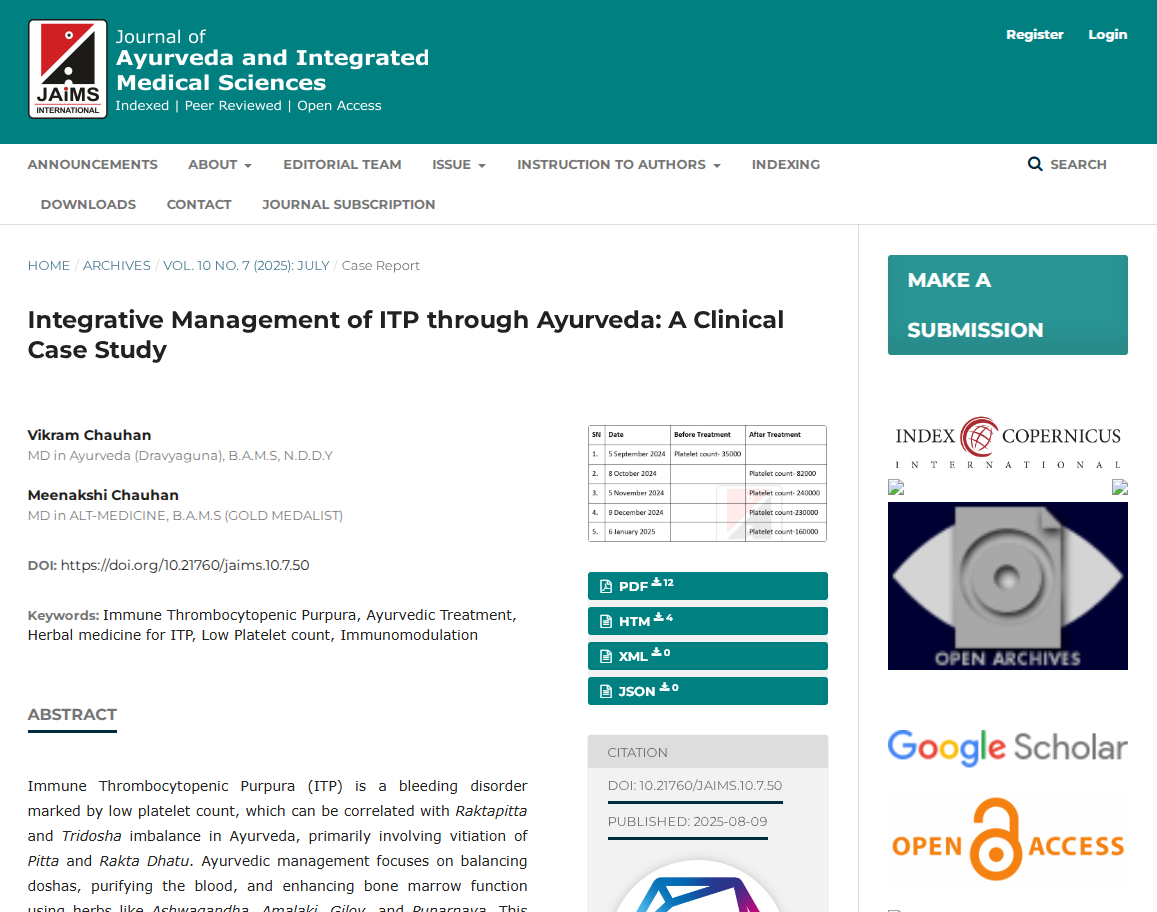
Immune Thrombocytopenic Purpura (ITP) is a bleeding disorder marked by low platelet count, which can be correlated with Raktapitta and Tridosha imbalance in Ayurveda, primarily involving vitiation of Pitta and Rakta Dhatu. Ayurvedic management focuses on balancing doshas, purifying the blood, and enhancing bone marrow function using herbs like Ashwagandha, Amalaki, Giloy, and Punarnava. This paper presents an Ayurvedic perspective on ITP and highlights the potential of holistic, natural interventions in improving patient outcomes.
World Journal of Pharmaceutical Research
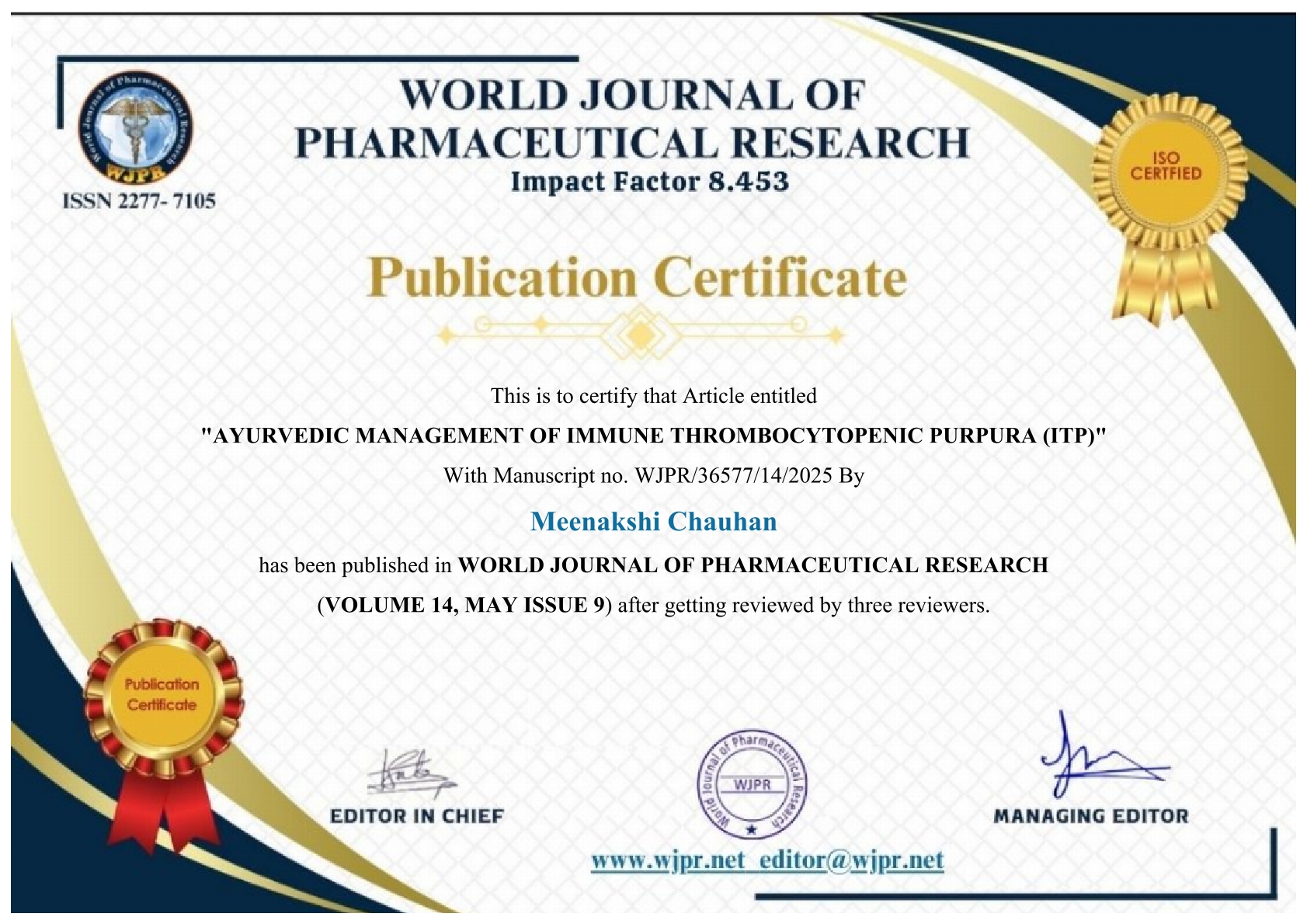
ITP (Immune thrombocytopenia purpura) is an autoimmune disorder characterised by reduced platelet count. ITP can occur without any cause (Primary ITP) or may occur with any cause (Secondary ITP). It can be acute or chronic and bruises, bleeding, tiny red spots are the most common symptoms of the ITP.
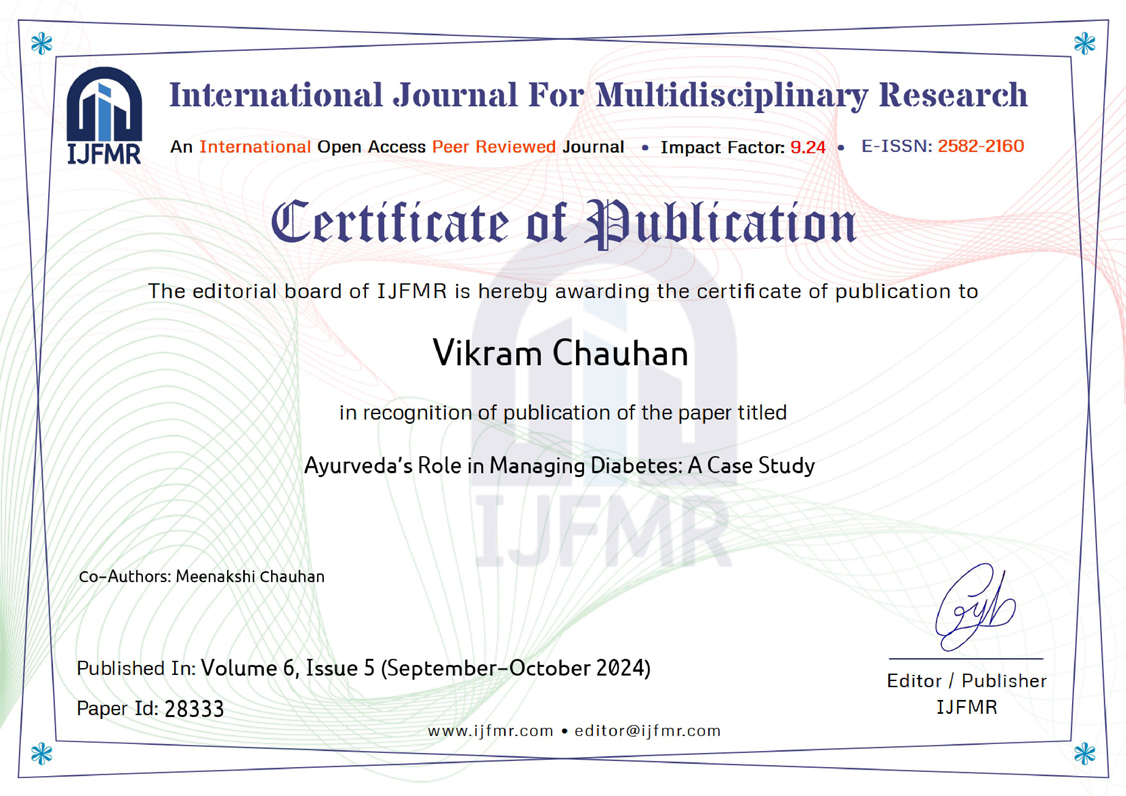
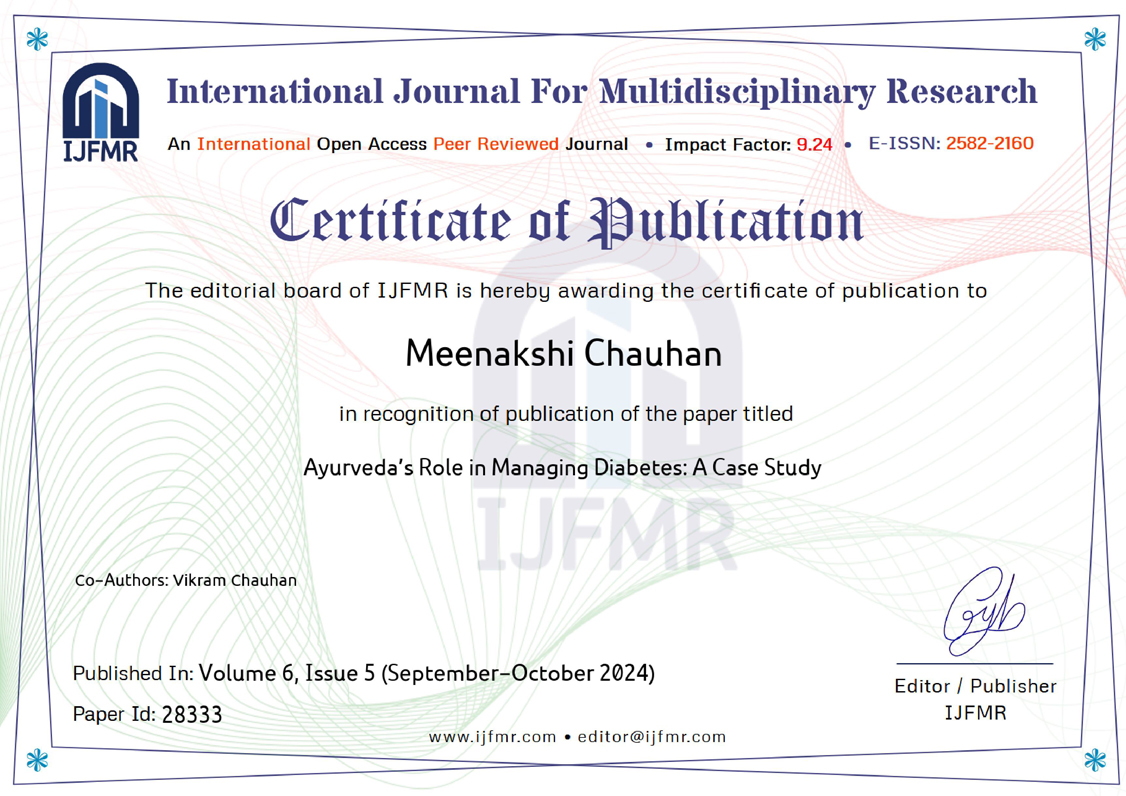
International Journal For Multidisciplinary Research
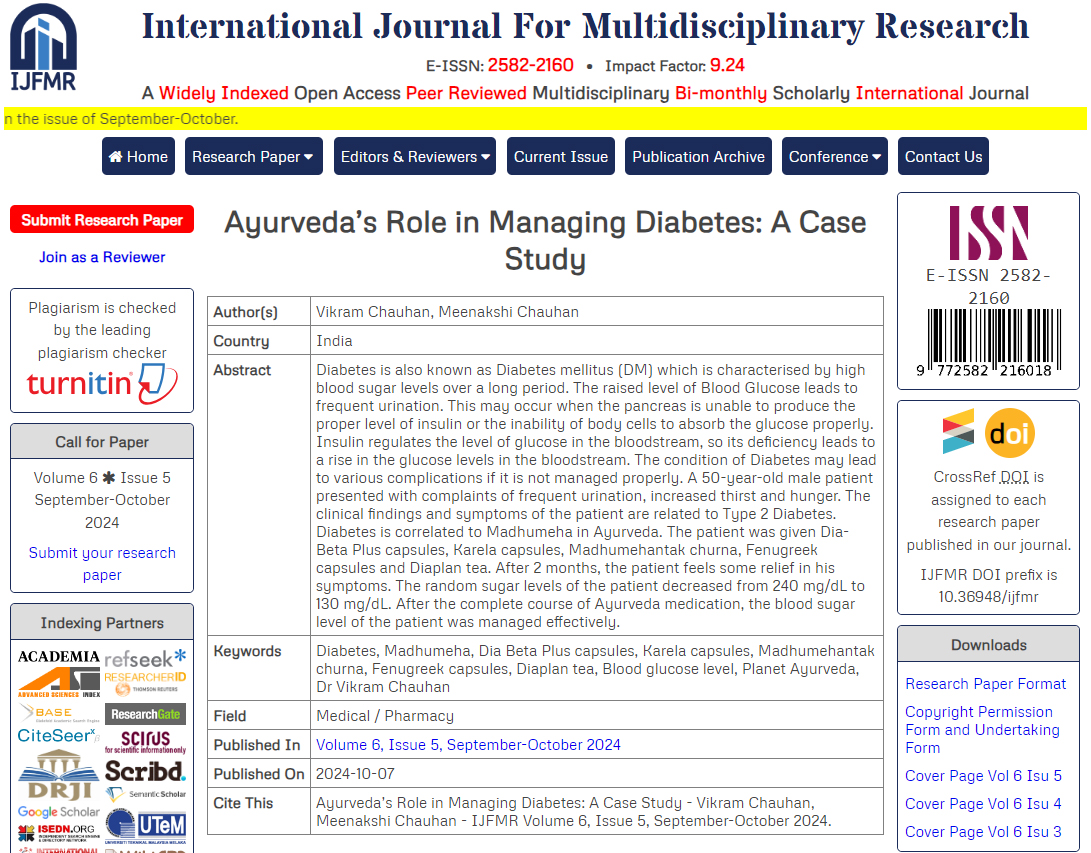
Diabetes is also known as Diabetes mellitus (DM) which is characterised by high blood sugar levels over a long period. The raised level of Blood Glucose leads to frequent urination. This may occur when the pancreas is unable to produce the proper level of insulin or the inability of body cells to absorb the glucose properly.
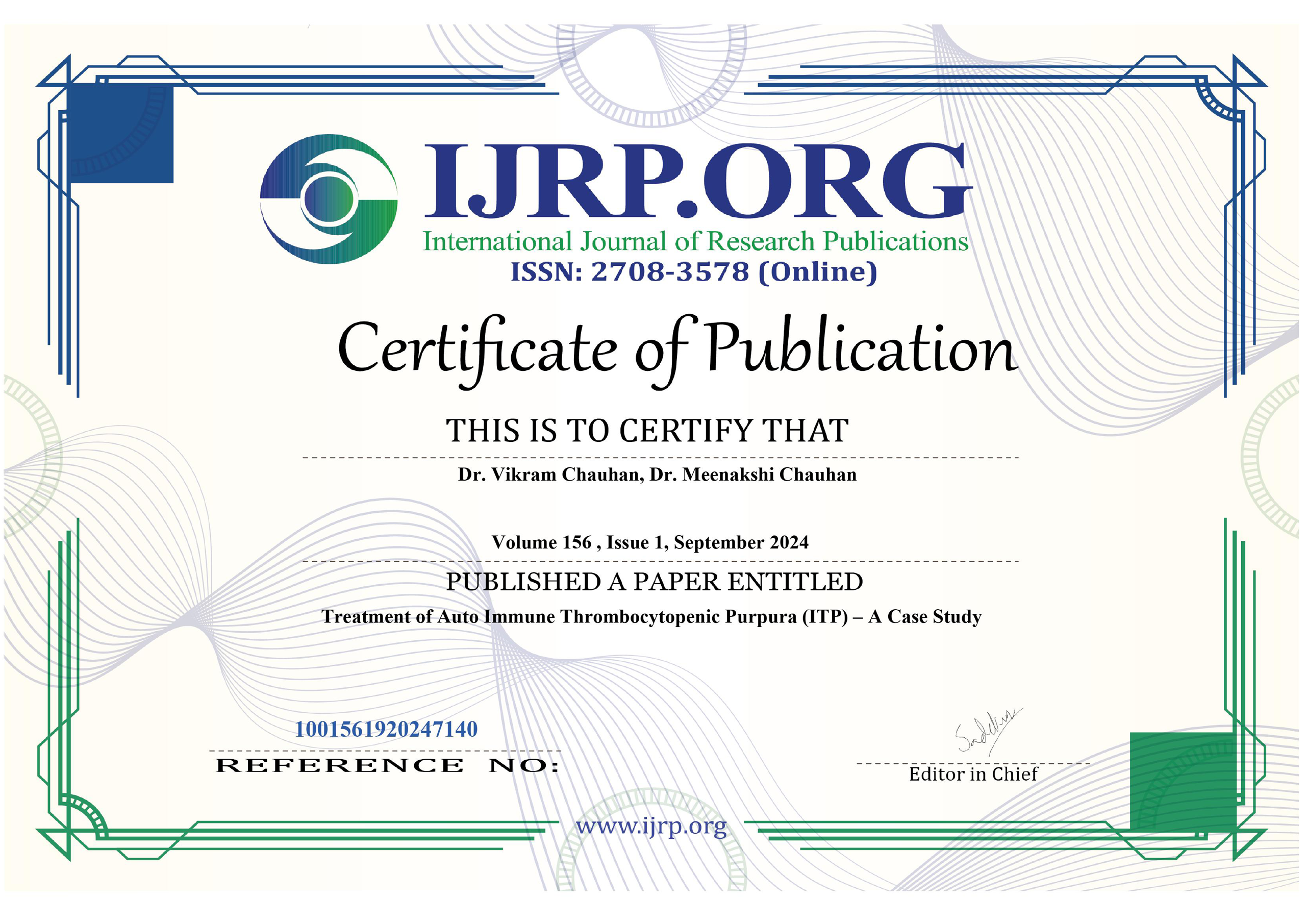
International Journal of Research Publications
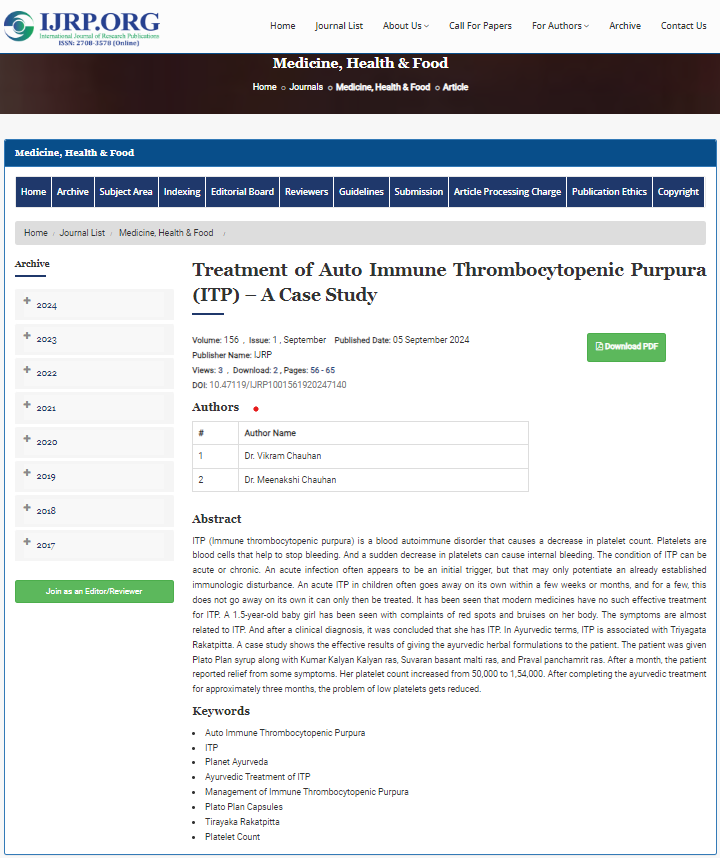
ITP (Immune Thrombocytopenic Purpura) is a blood autoimmune disorder that causes a decrease in platelet count. Platelets are blood cells that help to stop bleeding. And a sudden decrease in platelets can cause internal bleeding. The condition of ITP can be acute or chronic.
International Journal of Advanced Research
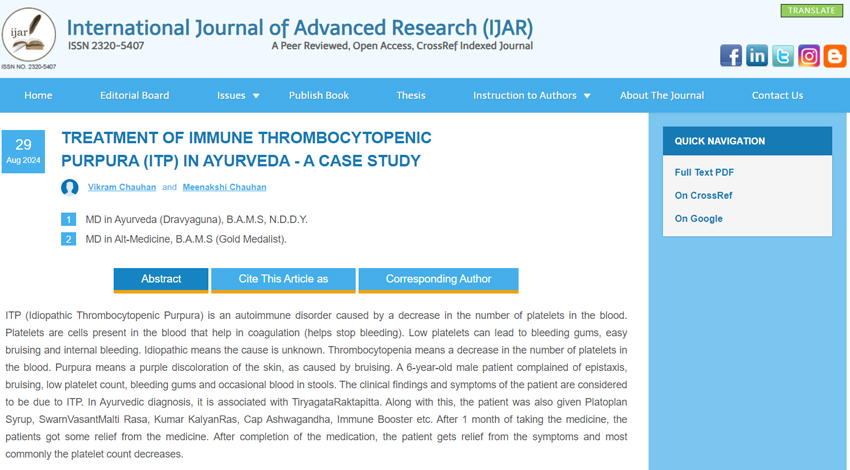
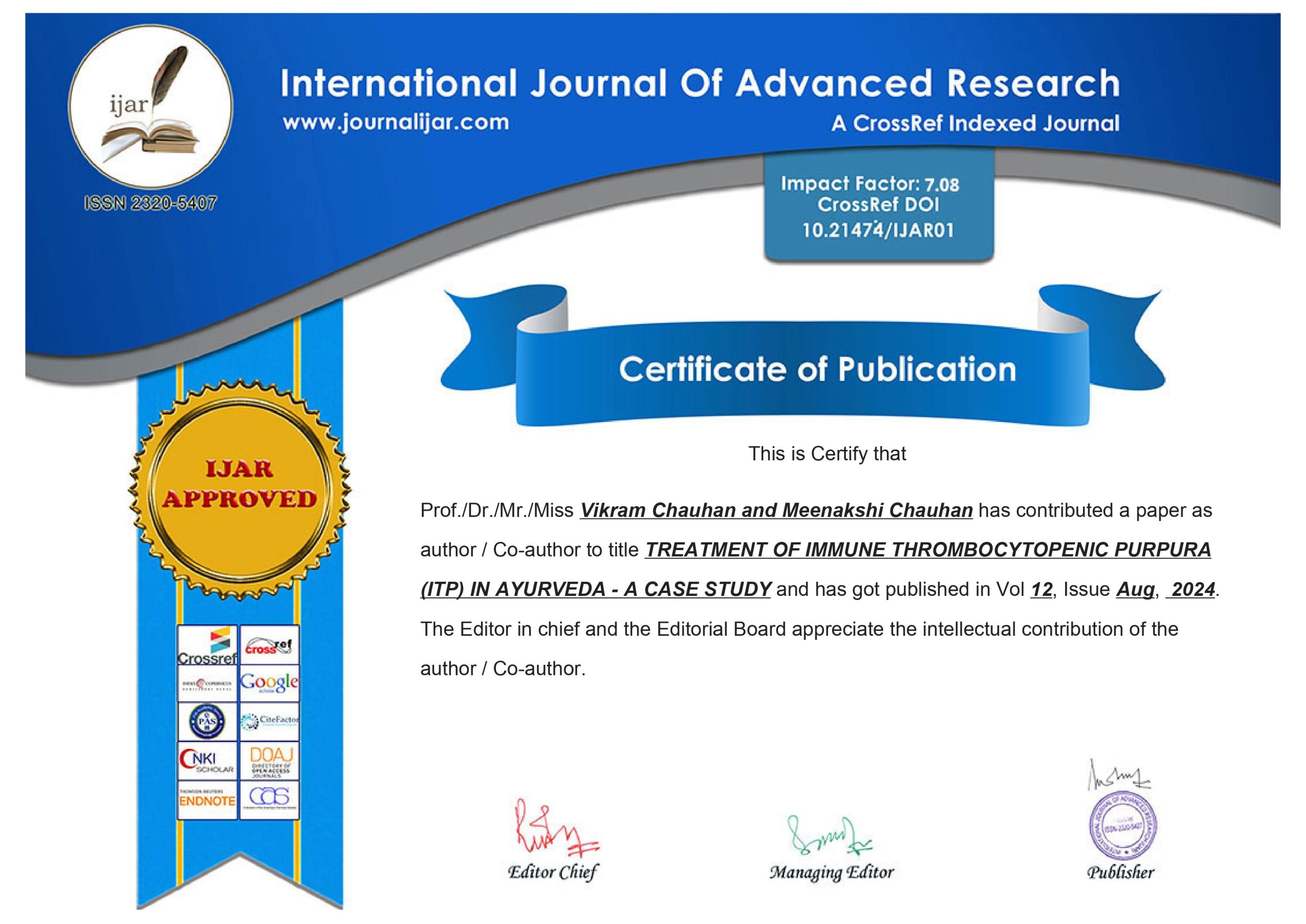
ITP (Idiopathic Thrombocytopenic Purpura) is an autoimmune disorder caused by a decrease in the number of platelets in the blood. Platelets are cells present in the blood that help in coagulation (helps stop bleeding). Low platelets can lead to bleeding gums, easy bruising and internal bleeding. Idiopathic means the cause is unknown.
World Journal Of Pharmaceutical And Medical Research
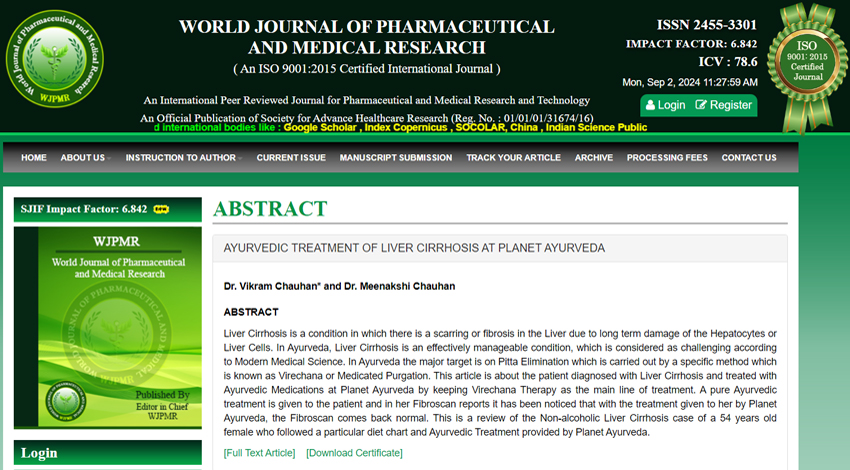
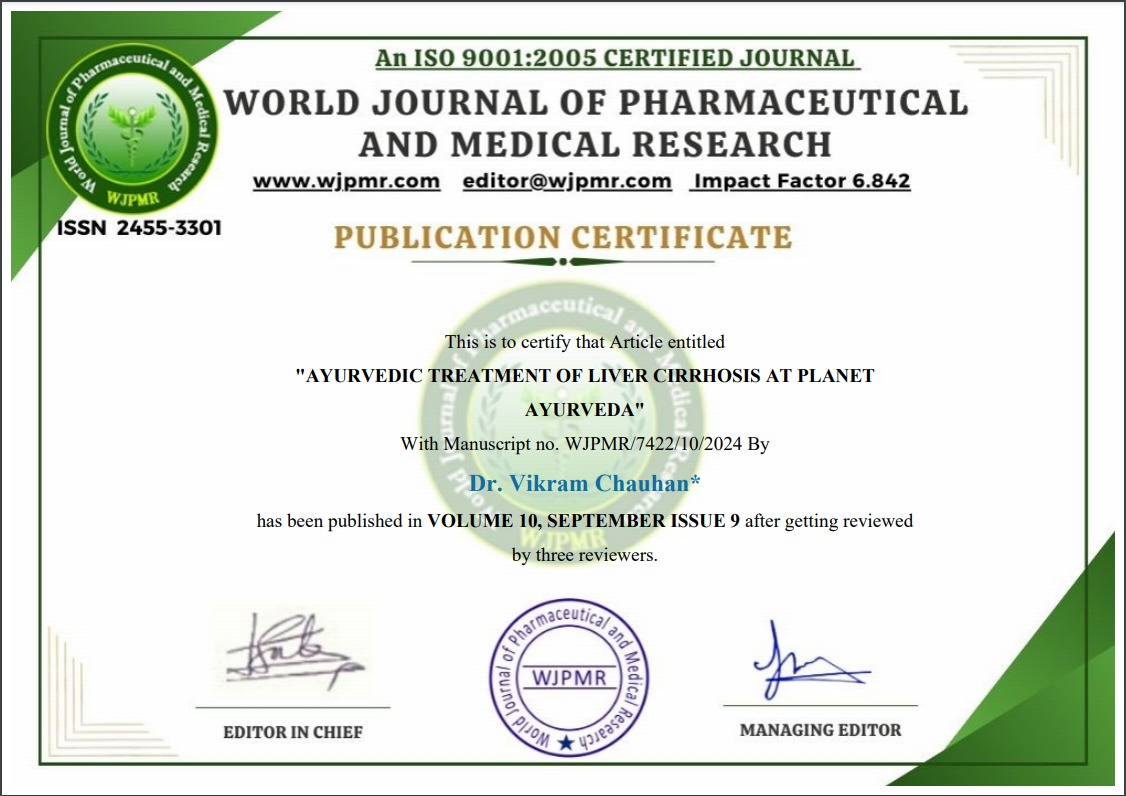
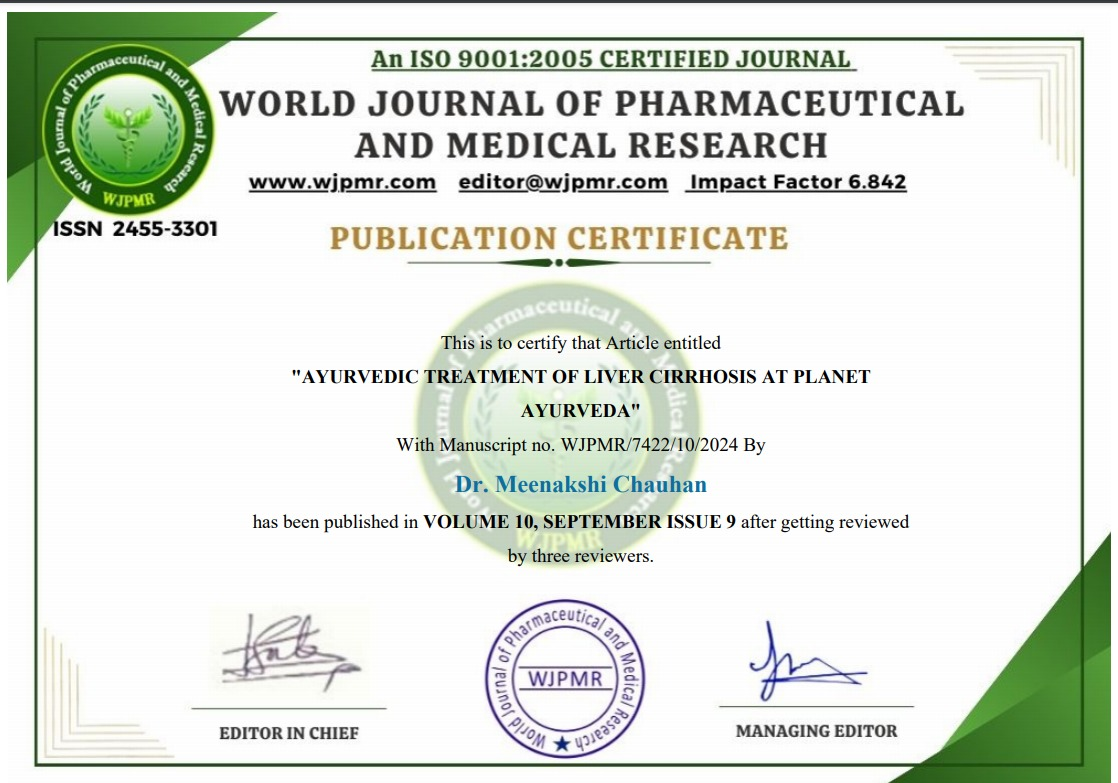
Liver Cirrhosis is a condition in which there is a scarring or fibrosis in the Liver due to long term damage of the Hepatocytes or Liver Cells. In Ayurveda, Liver Cirrhosis is an effectively manageable condition, which is considered as challenging according to Modern Medical Science.
International Journal For Multidisciplinary Research
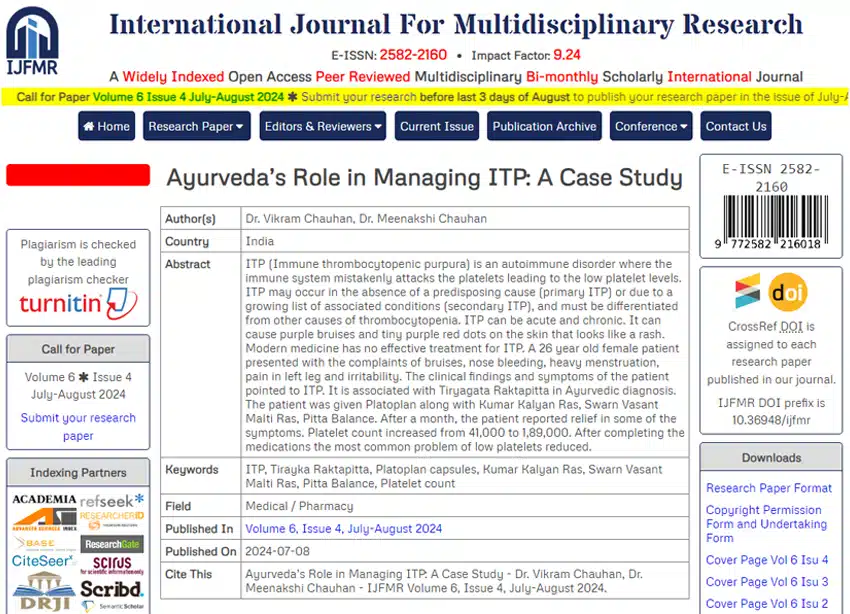
ITP (Immune thrombocytopenic purpura) is an autoimmune disorder where the immune system mistakenly attacks the platelets leading to the low platelet levels. ITP may occur in the absence of a predisposing cause (primary ITP) or due to a growing list of associated conditions (secondary ITP), and must be differentiated from other causes of thrombocytopenia.
International Journal Of Pharmaceutical Sciences And Research
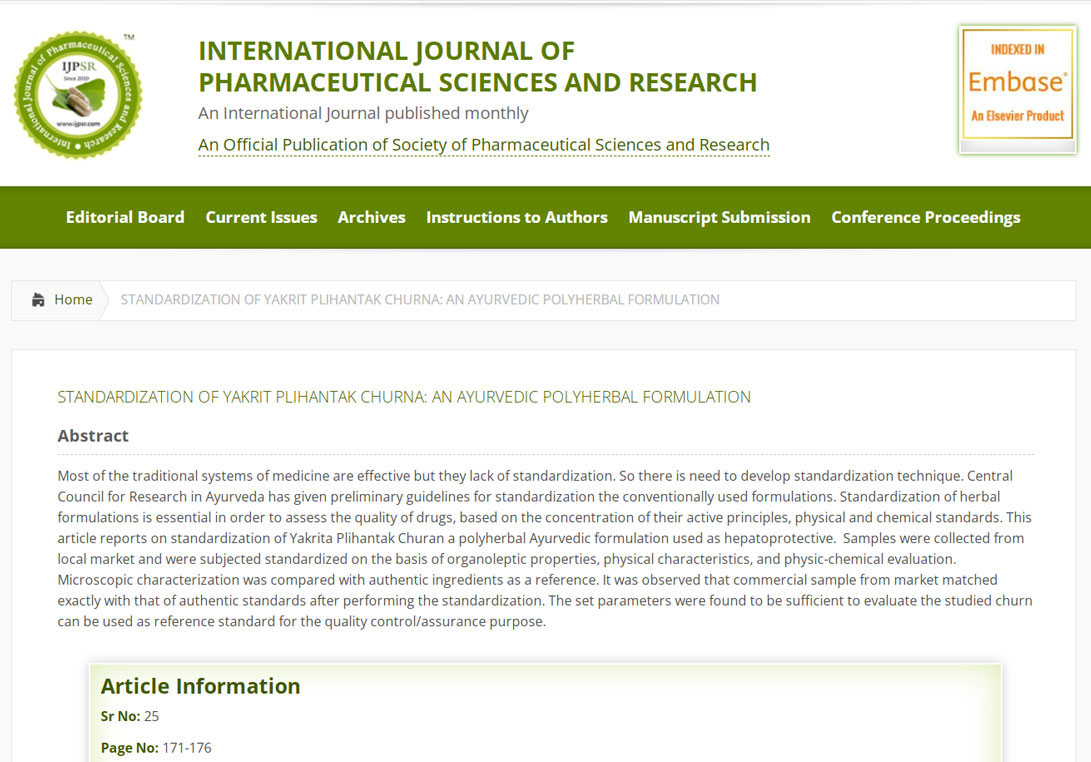
Most of the traditional systems of medicine are effective but they lack of standardization. So there is need to develop standardization technique. Central Council for Research in Ayurveda has given preliminary guidelines for standardization the conventionally used formulations. Standardization of herbal formulations is essential in order to assess the quality of drugs, based on the concentration of their active principles, physical and chemical standards.
Springer Link
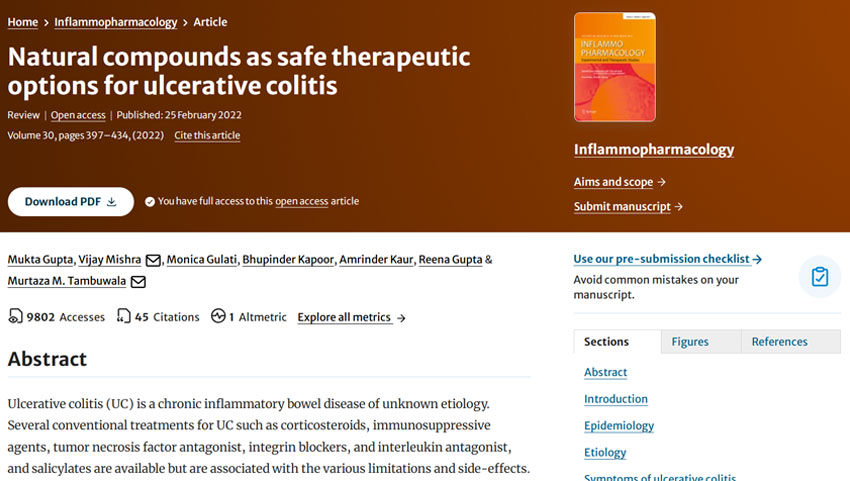
Ulcerative colitis (UC) is a chronic inflammatory bowel disease of unknown etiology. Several conventional treatments for UC such as corticosteroids, immunosuppressive agents, tumor necrosis factor antagonist, integrin blockers, and interleukin antagonist, and salicylates are available but are associated with the various limitations and side-effects.
Certificates
World Journal Of Pharmaceutical Research
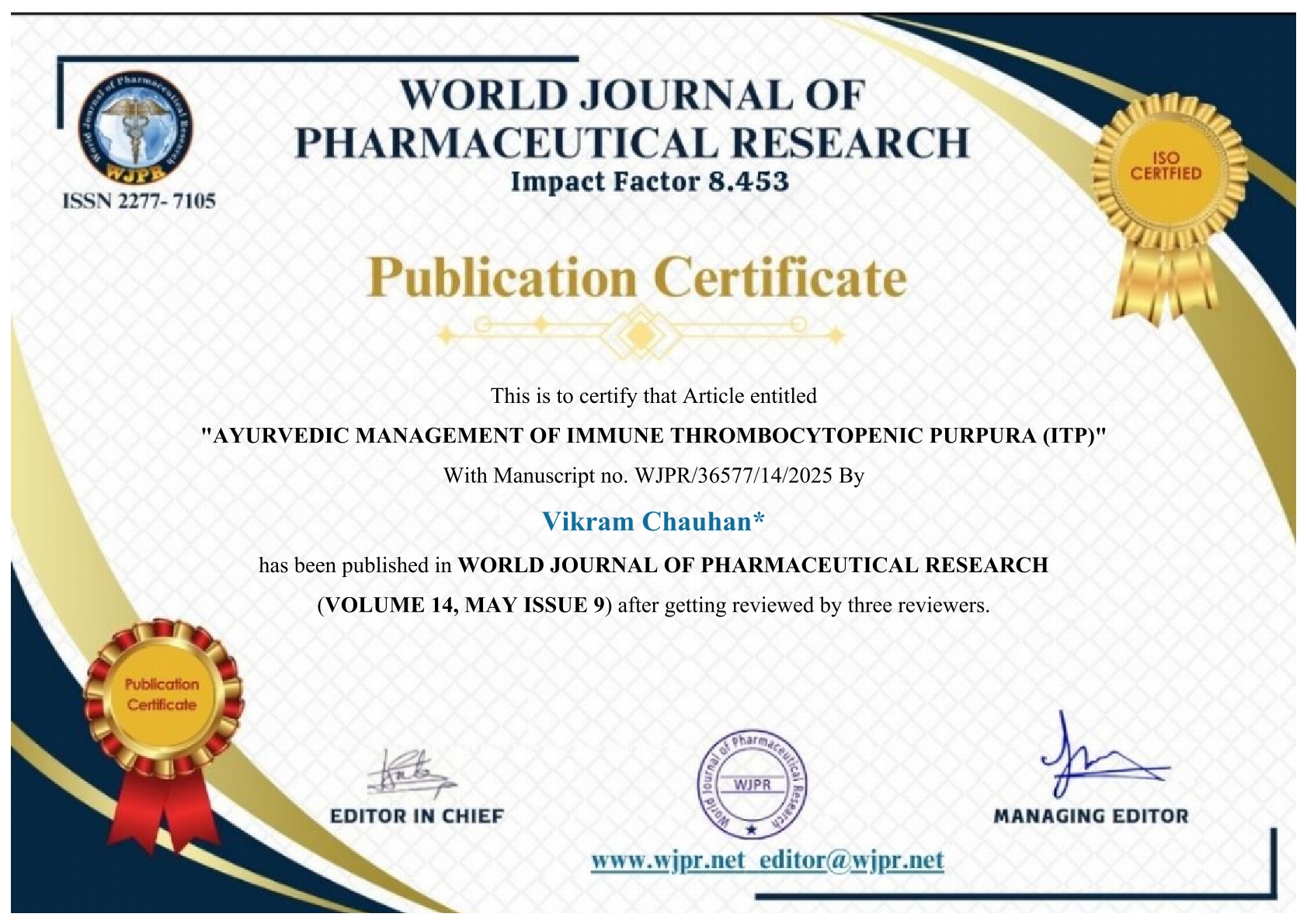
World Journal Of Pharmaceutical And Medical Research
International Journal of Advanced Research
International Journal of Research Publications
International Journal For Multidisciplinary Research